Pregnancy is a time of excitement, anticipation, and important health decisions. While most pregnancies progress normally, careful monitoring of the baby’s development remains essential. Advances in prenatal care have made it possible to evaluate the baby in great detail during pregnancy — an area of care known as fetal medicine.
Understanding what fetal medicine involves can help expecting parents feel more informed and reassured throughout their pregnancy journey.
Understanding Fetal Medicine
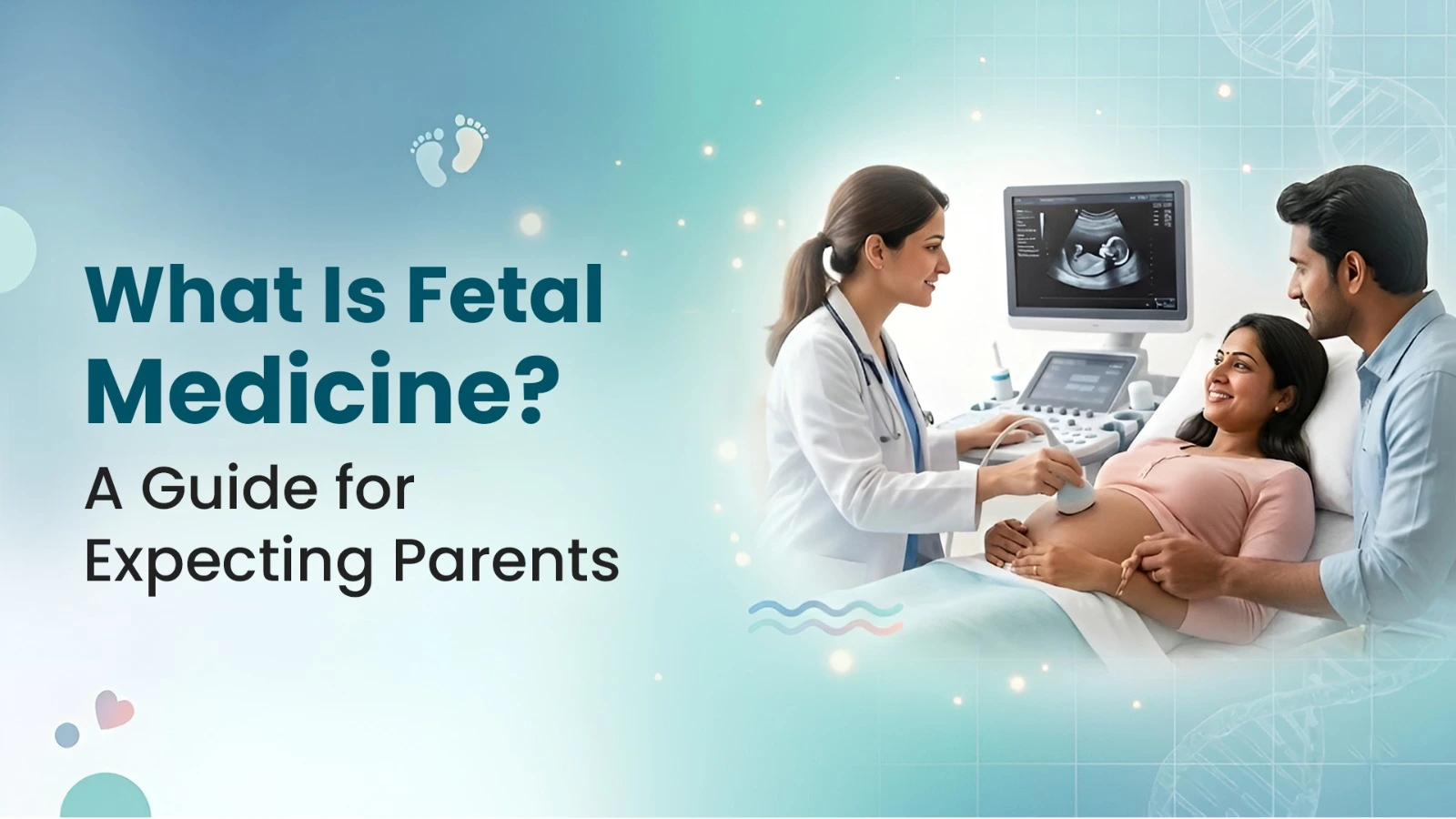
Fetal medicine, also called maternal–fetal medicine, is a specialized field that focuses on monitoring the growth, development, and well-being of the unborn baby. It combines advanced ultrasound imaging, prenatal screening, and expert clinical assessment.
A fetal medicine specialist is trained to:
Perform detailed evaluation of fetal anatomy
Monitor growth and placental function
Assess risk for genetic or chromosomal conditions
Guide care in high-risk pregnancies
Provide counseling and pregnancy planning
This specialty becomes particularly important when routine scans raise questions or when the pregnancy requires closer observation.
Dr. Navya KC, a fetal medicine specialist, focuses on detailed prenatal assessment and individualized guidance to support healthy pregnancy outcomes.
Why Fetal Medicine Matters
Every pregnancy is unique. In some cases, additional monitoring helps ensure that any concerns are identified early and managed appropriately.
Fetal medicine contributes to better care by enabling:
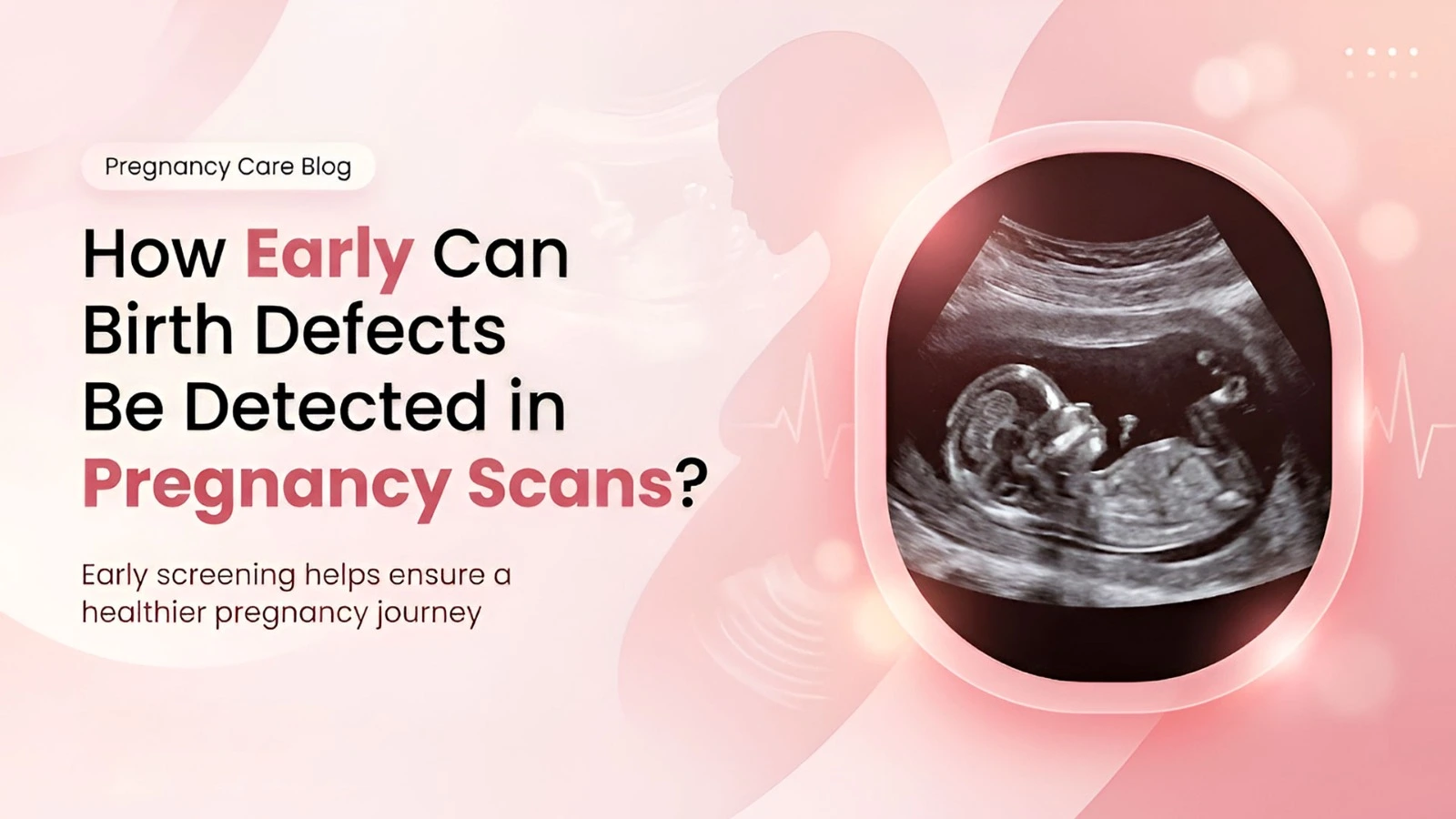
Early detection
Many structural or developmental concerns can be identified during pregnancy itself.
Closer monitoring when needed
Conditions affecting the mother or baby can be followed carefully with appropriate timing of scans.
Better preparation for delivery
When concerns are identified early, the care team can plan the safest approach for birth and newborn care.
Clear communication with parents
Specialist counseling helps families understand findings and next steps without unnecessary anxiety.
Important Evaluations During Pregnancy
Depending on the stage of pregnancy and clinical need, fetal medicine may involve several specialized assessments.
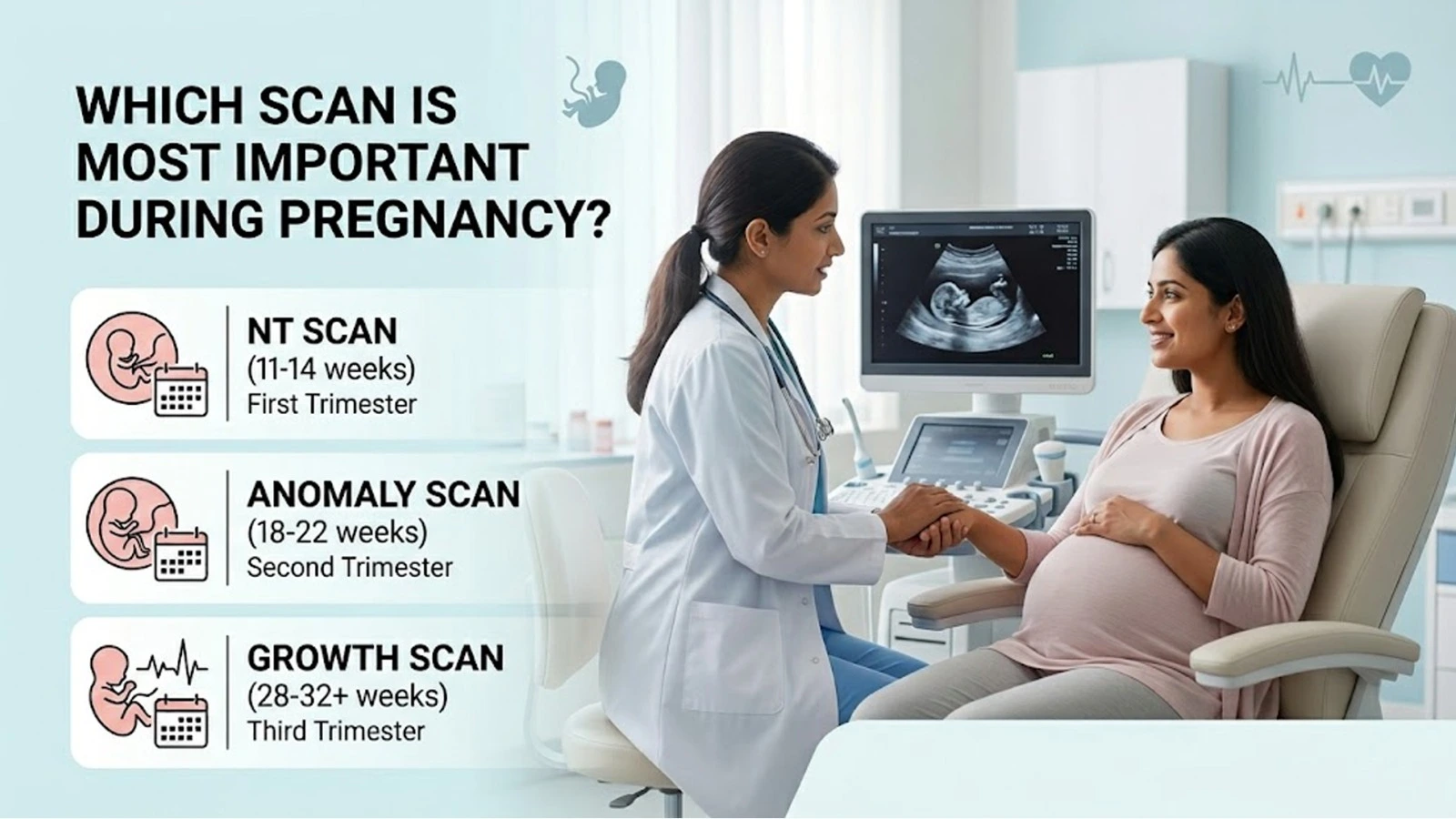
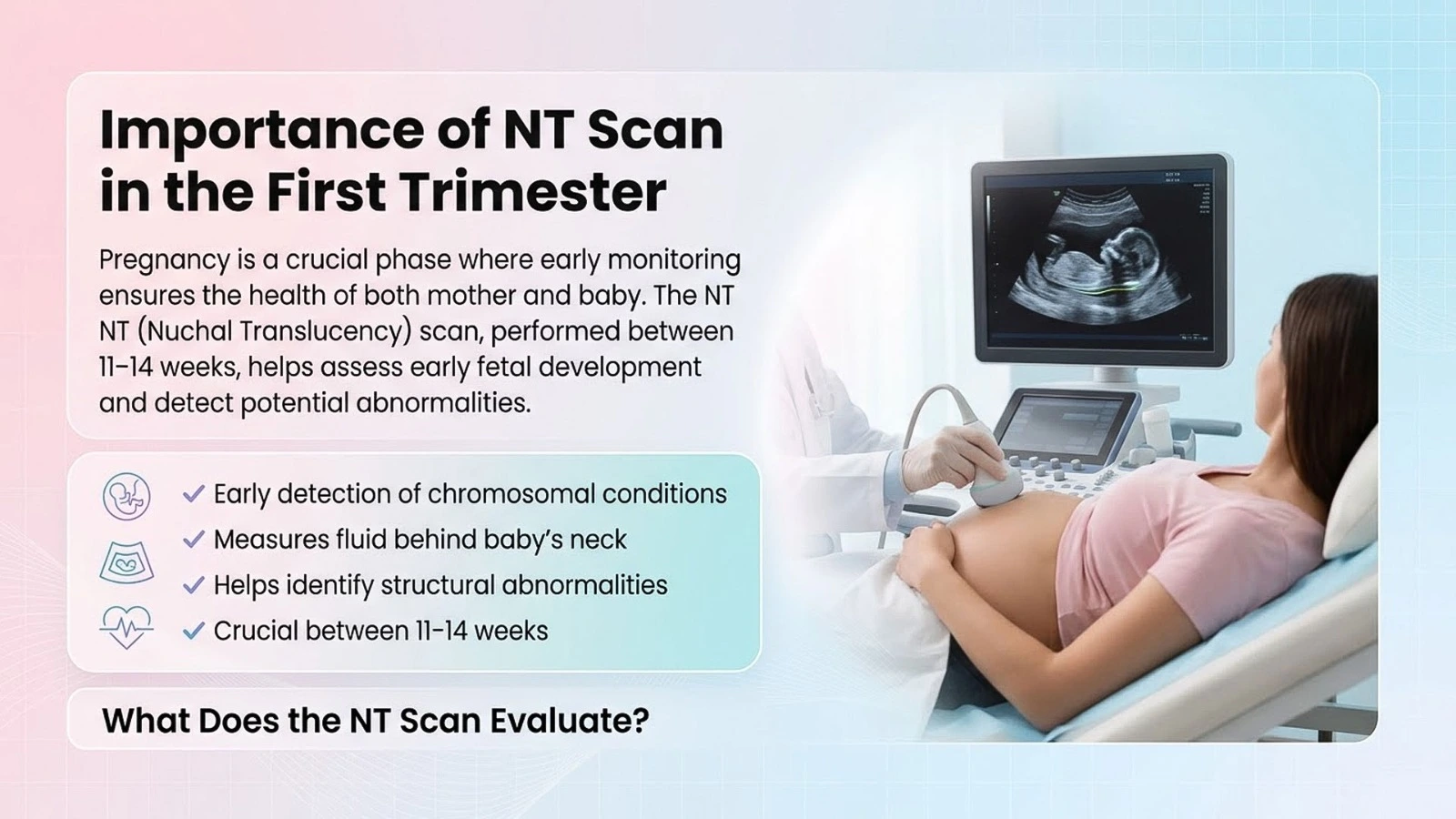
First-trimester screening (NT scan)
Usually performed between 11 and 14 weeks to assess early risk markers and basic fetal anatomy.
Detailed anomaly scan
Typically done between 18 and 22 weeks, this is a comprehensive structural evaluation of the baby’s organs.
Fetal echocardiography
A focused study of the baby’s heart when a detailed cardiac assessment is required.
Growth and Doppler studies
Used in later pregnancy to monitor fetal growth patterns and blood flow, especially in higher-risk situations.
Non-invasive prenatal testing (NIPT)
A maternal blood test that screens for certain chromosomal conditions when indicated.
Not every pregnancy requires all these tests; the care plan is individualized based on clinical findings.
When Should You See a Fetal Medicine Specialist?
Many women are referred for at least one detailed evaluation during pregnancy. Specialist review becomes particularly helpful in situations such as:
Medical conditions in the mother (such as diabetes or hypertension)
Previous pregnancy losses
Concerns raised on routine ultrasound
Twin or multiple pregnancy
Increased maternal age
Family history of genetic conditions
Early referral allows timely assessment and appropriate follow-up.
Dr. Navya KC works closely with obstetric teams to ensure coordinated care and clear communication at every stage.
The Role of Technology — and Clinical Judgment
Modern fetal care benefits greatly from high-resolution ultrasound and advanced screening methods. These tools allow detailed visualization of fetal development and placental function.
However, technology is only one part of good care. Careful interpretation, clinical experience, and thoughtful counseling remain essential. An experienced specialist evaluates findings in context and helps families understand what truly matters and what does not.
Emotional Support Is an Important Part of Care
For many parents, detailed scans can bring both reassurance and anxiety. Good fetal care therefore includes not only accurate diagnosis but also clear, compassionate communication.
A thoughtful consultation should help parents:
Understand the findings in simple language
Know whether there is real cause for concern
Learn what monitoring or follow-up is needed
Feel supported in their decision-making
Dr. Navya KC emphasizes careful evaluation along with patient-centered counseling so families feel informed and supported throughout pregnancy.
Frequently Asked Questions
When is fetal medicine consultation advised?
It is usually recommended when additional evaluation is needed after routine screening or when the pregnancy requires closer monitoring.
Is the detailed anomaly scan important?
Yes. It provides a comprehensive assessment of the baby’s structure and is an important part of mid-pregnancy evaluation.
Are prenatal genetic tests safe?
Screening tests like NIPT are non-invasive. Invasive tests are advised only when clearly indicated and after proper counseling.
Is fetal medicine only for high-risk pregnancies?
Not always. While it is essential in high-risk cases, many women are referred simply for detailed reassurance scans.
About Dr. Navya KC
Dr. Navya KC is a fetal medicine specialist with focused expertise in prenatal diagnosis, detailed fetal imaging, and high-risk pregnancy evaluation. Her approach combines careful assessment with clear, compassionate counseling to help families navigate pregnancy with confidence.
Conclusion
Fetal medicine has significantly improved the way pregnancies are monitored today. Through detailed imaging, timely screening, and expert interpretation, many potential concerns can be identified early and managed appropriately.
For expecting parents, the goal is not just advanced technology but thoughtful, coordinated care that keeps both mother and baby at the center of every decision