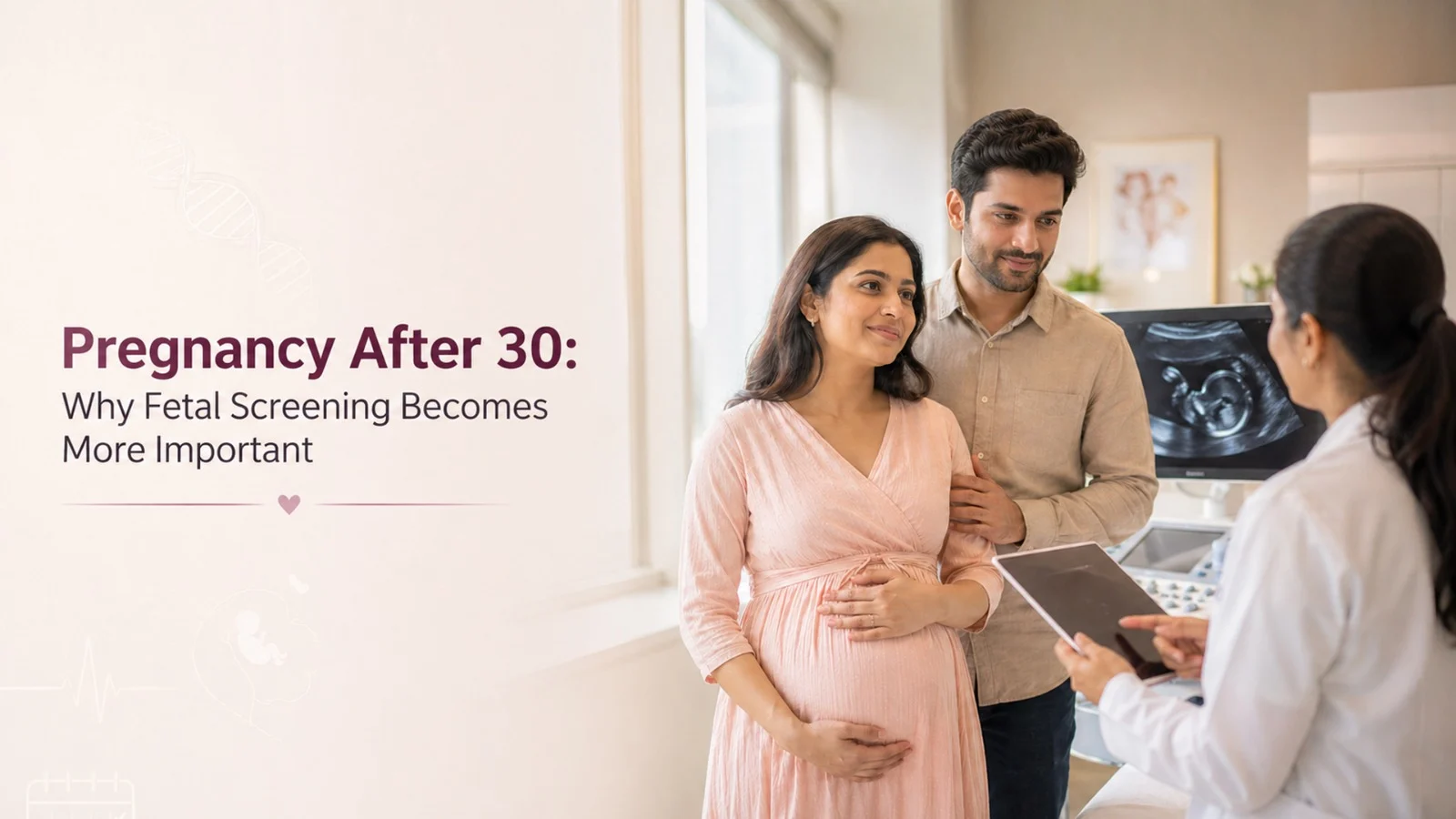
In recent years, many women are choosing to start or expand their families after the age of 30. While this is a positive and empowering trend, it also brings certain medical considerations that make fetal screening an essential part of prenatal care. Understanding why screening becomes more important after 30 can help expecting parents make informed and confident decisions.
Understanding Pregnancy After 30
Pregnancy in your 30s is generally safe, especially with proper medical care. However, as maternal age increases, the body undergoes natural biological changes that can slightly raise the risk of complications. These may include conditions such as gestational diabetes, high blood pressure, and a higher likelihood of chromosomal abnormalities in the baby .
One of the key concerns is the gradual decline in egg quality with age, which can increase the chances of genetic conditions like Down syndrome. For example, the risk of chromosomal abnormalities increases significantly as maternal age advances beyond 30 .
This is where the role of fetal screening becomes crucial.
Why Fetal Screening Is Important After 30
Fetal screening helps assess the health and development of the baby during pregnancy. It is particularly important for women over 30 because:
1. Early Detection of Chromosomal Abnormalities
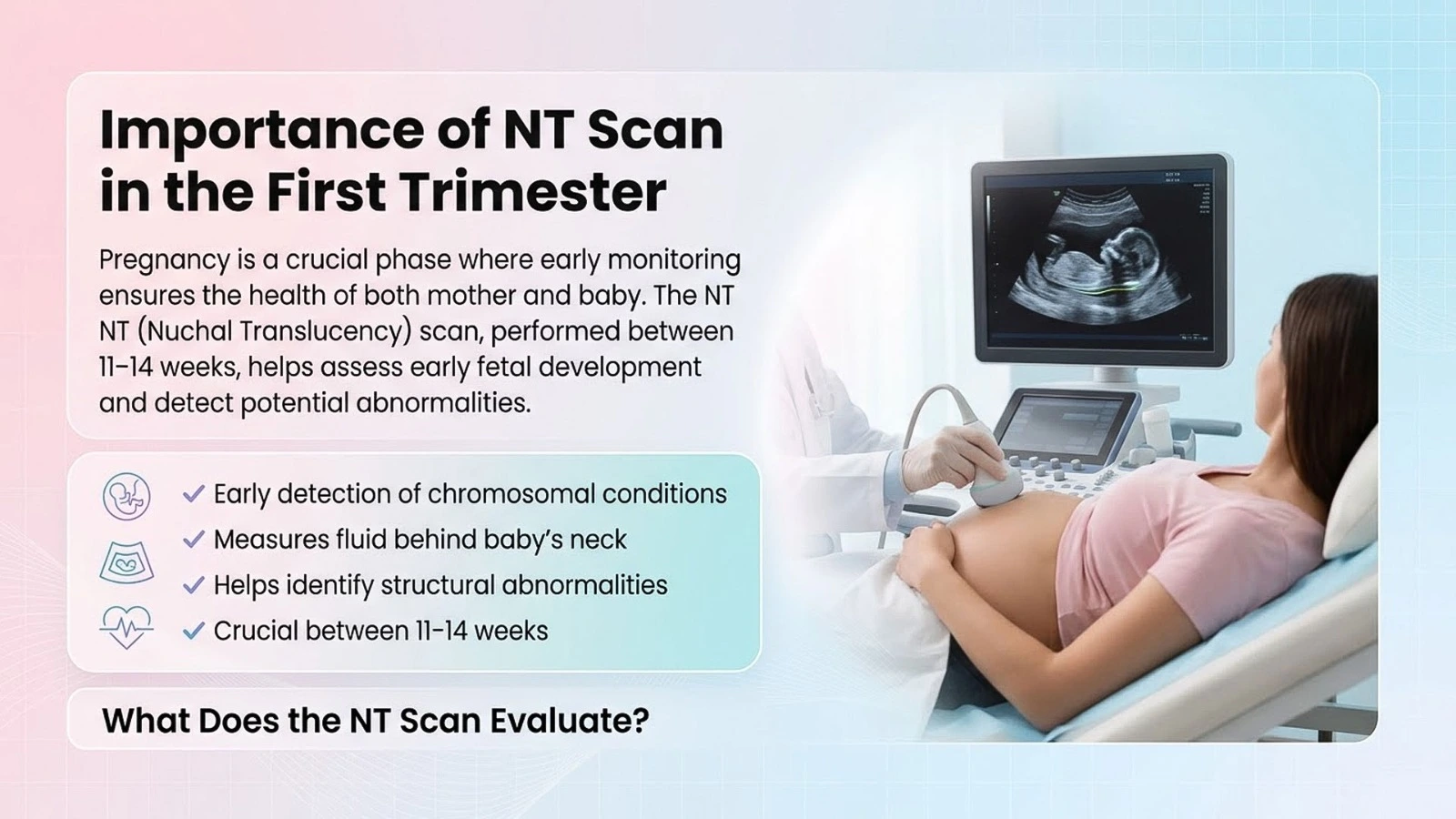
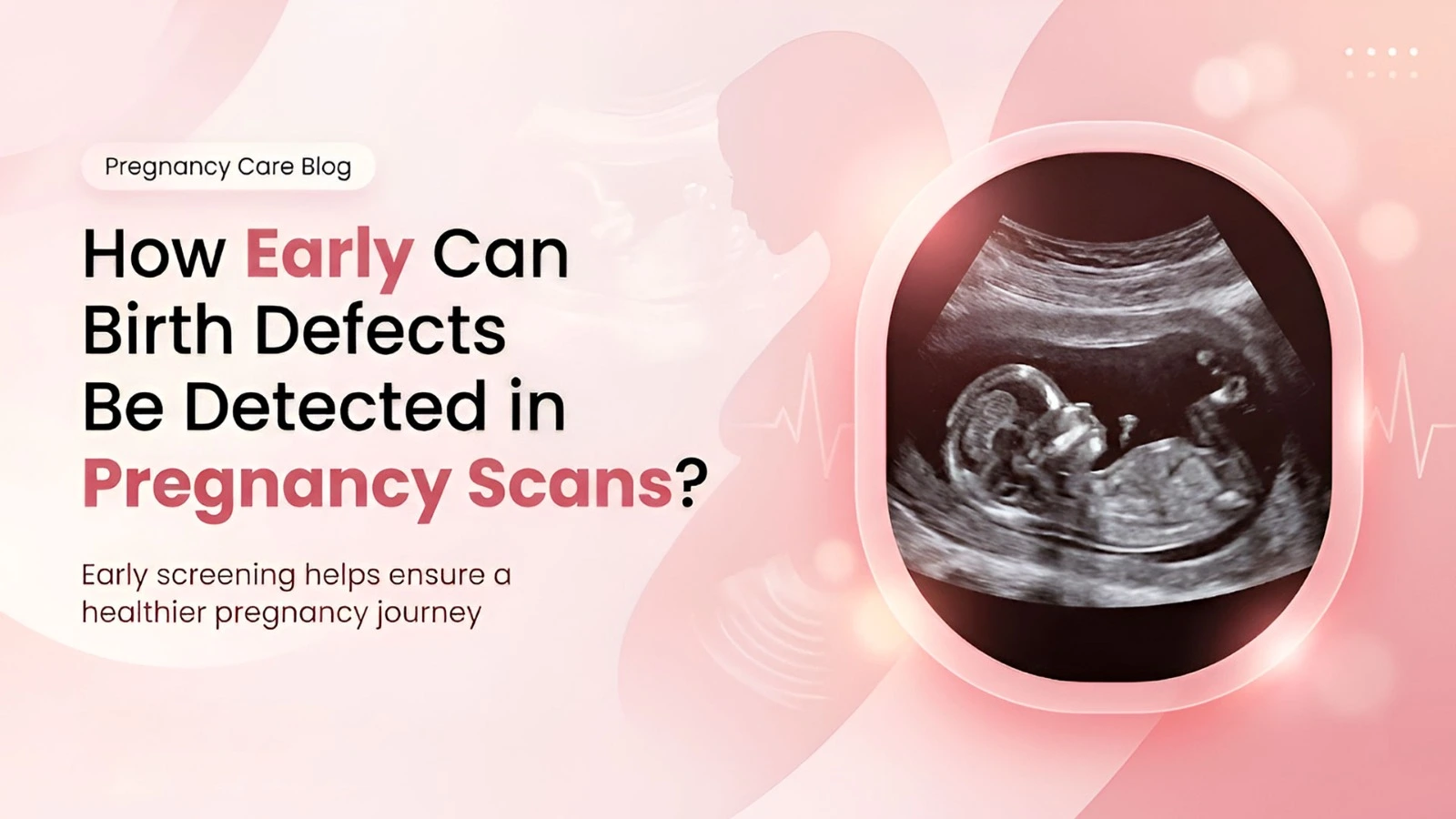
Screening tests such as first-trimester screening, NIPT (Non-Invasive Prenatal Testing), and anomaly scans can identify the risk of genetic conditions early. Since the likelihood of chromosomal abnormalities increases with age, timely screening allows for better planning and management.
At a Fetal Medicine Centre in Hyderabad, advanced screening techniques ensure accurate and early detection, helping parents understand their baby’s health.
2. Monitoring Pregnancy Complications
Women over 30 may have a slightly higher risk of complications like preeclampsia or gestational diabetes. Regular scans and tests help monitor both maternal and fetal health, ensuring any issues are detected early.
Consulting a Fetal Medicine Doctor in Hyderabad ensures that high-risk pregnancies are carefully monitored with specialized expertise.
3. Better Pregnancy Planning and Care
Screening results guide doctors in tailoring care plans for each pregnancy. If any abnormalities are suspected, further diagnostic tests like amniocentesis or chorionic villus sampling may be recommended.
Visiting a Fetal Medicine Hospital in Hyderabad provides access to comprehensive care, including genetic counseling and advanced diagnostic procedures.
4. Peace of Mind for Parents
One of the biggest benefits of fetal screening is reassurance. Knowing that your baby is developing well or identifying concerns early-reduces anxiety and allows parents to prepare emotionally and medically.
The support of Fetal Medicine Doctors in Hyderabad can make a significant difference in ensuring a stress-free pregnancy journey.
5. Improved Pregnancy Outcomes
With early detection and continuous monitoring, many risks associated with pregnancy after 30 can be effectively managed. Regular check-ups and screening improve outcomes for both mother and baby.
Choosing the Best Fetal Medicine Doctor in Hyderabad ensures expert guidance throughout pregnancy, especially in high-risk cases.
Types of Fetal Screening Tests
Some commonly recommended screening tests include:
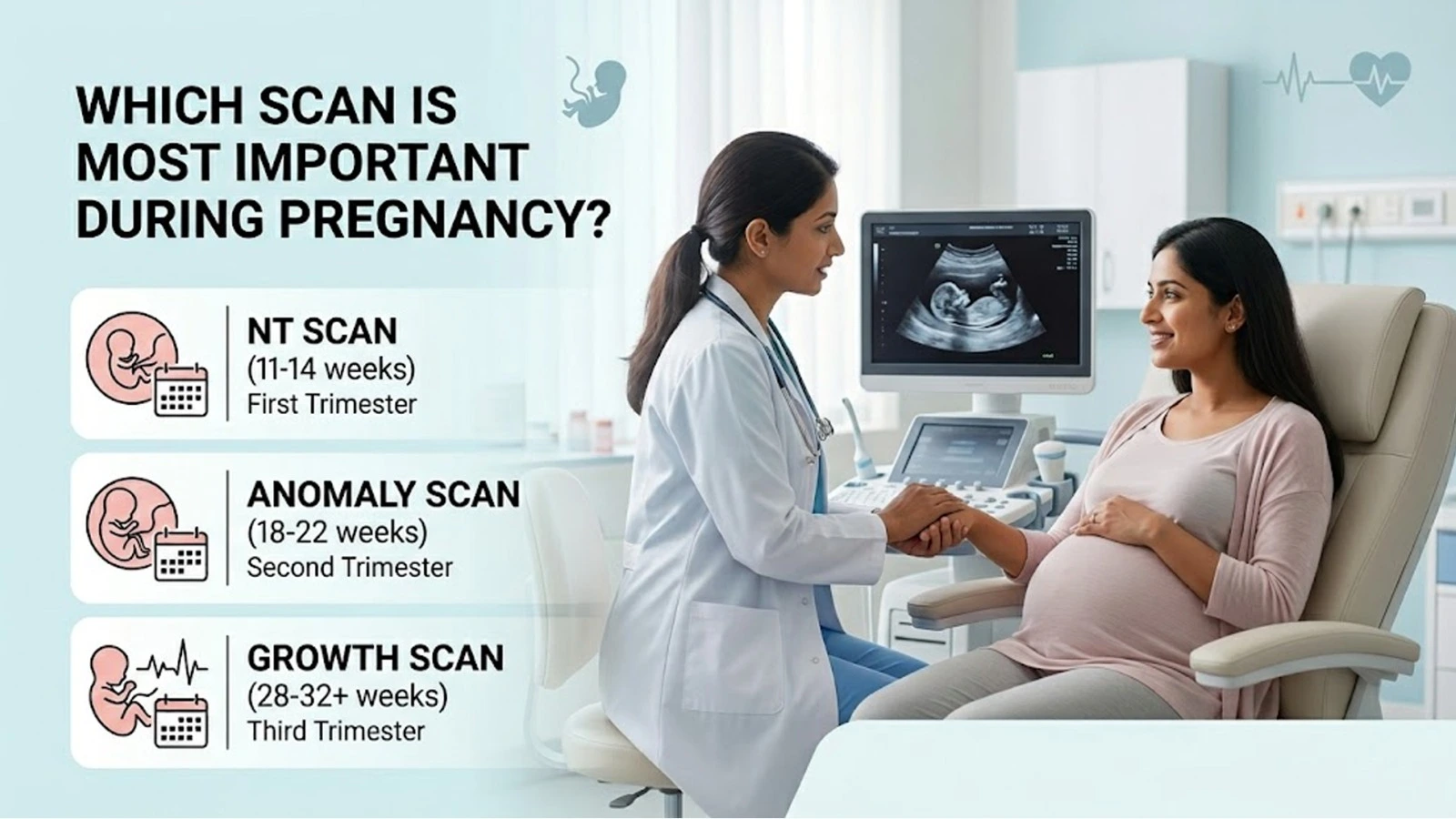
- First-trimester screening (NT scan + blood tests)
- Second-trimester anomaly scan
- Non-Invasive Prenatal Testing (NIPT)
- Growth scans in later pregnancy
These tests are safe and provide valuable insights into the baby’s development. Medical guidelines also recommend offering prenatal screening to all pregnant women, regardless of age, but it becomes particularly significant as maternal age increases .
FAQs
1. Is pregnancy after 30 considered high risk?
Not necessarily. While risks may slightly increase, most women have healthy pregnancies with proper care and monitoring.
2. What is the most important screening test after 30?
First-trimester screening and NIPT are highly recommended as they help detect chromosomal abnormalities early.
3. How often should I get scans during pregnancy after 30?
Your doctor may recommend slightly more frequent scans depending on your health and pregnancy condition.
4. Are fetal screening tests safe?
Yes, most screening tests like ultrasounds and blood tests are completely safe for both mother and baby.
5. When should I consult a specialist?
It is best to consult a fetal medicine specialist early in pregnancy for proper guidance and screening plans.
About the Author
Dr. Navya KC is a dedicated fetal medicine specialist committed to providing advanced prenatal care and early detection of fetal conditions. With expertise in detailed fetal scans, high-risk pregnancy management, and genetic counseling, she ensures accurate diagnosis and personalized care for every patient. Through her compassionate approach, Dr. Navya supports expecting parents with clear guidance and confidence throughout their pregnancy journey.
Conclusion
Pregnancy after 30 is a beautiful and fulfilling journey, but it requires a more attentive approach to prenatal care. As the risk of certain complications and genetic conditions increases with age, fetal screening becomes a vital tool in ensuring a healthy pregnancy.
By consulting experienced specialists at a Fetal Medicine Centre in Hyderabad, parents can benefit from early detection, accurate diagnosis, and personalized care. With the right medical support, most women over 30 can enjoy a safe pregnancy and welcome a healthy baby.