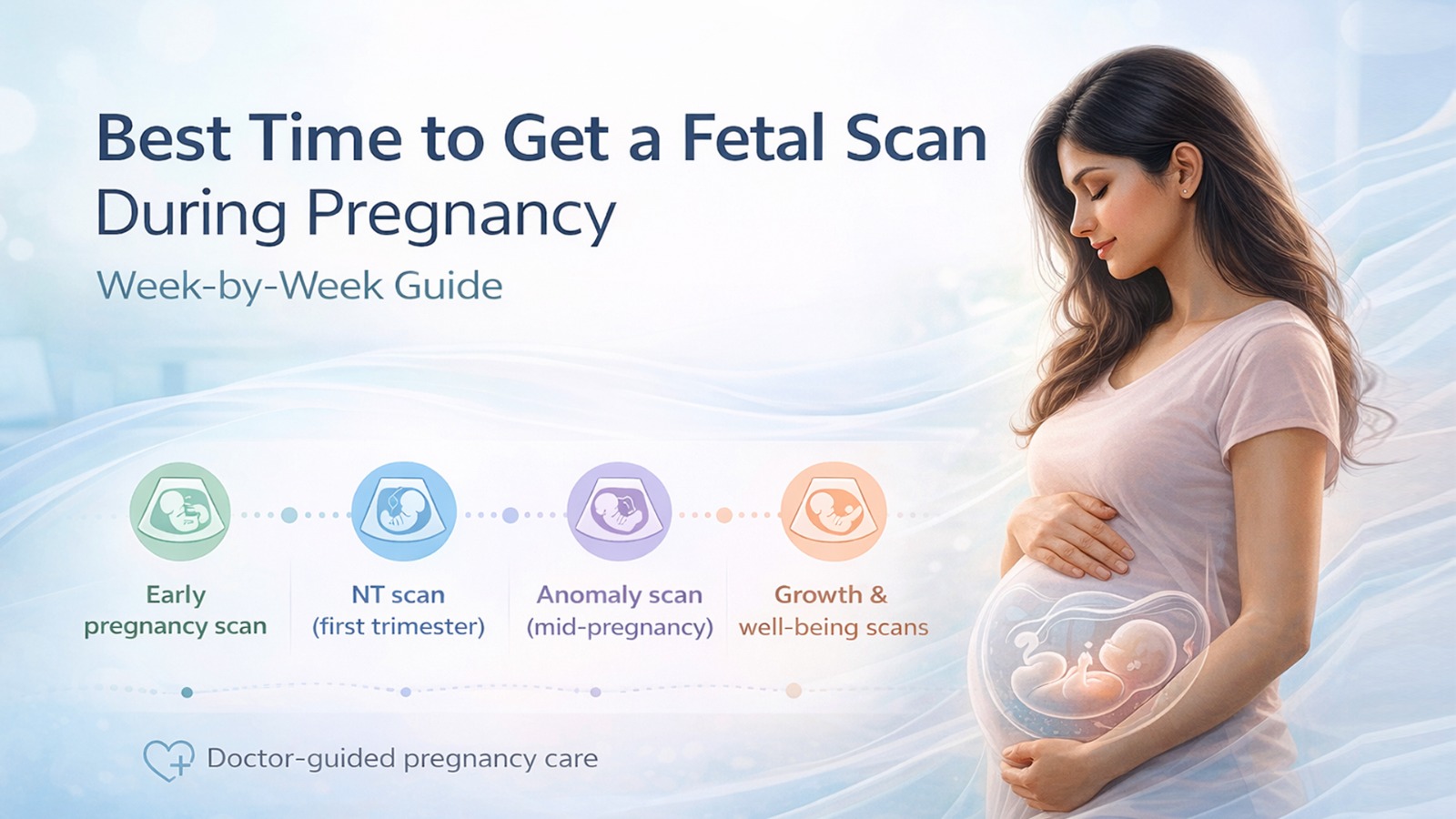
Pregnancy is a journey filled with anticipation, care, and important milestones. One of the most essential parts of prenatal care is fetal scanning, which helps monitor the baby’s growth, detect possible concerns, and ensure both mother and baby remain healthy. Understanding the right time to undergo each scan can make a significant difference in early diagnosis and timely medical decisions. This week-by-week guide explains when fetal scans are usually recommended and why each stage matters.
Early Pregnancy Scan (6–9 Weeks)
The first scan, often called a dating or viability scan, is usually performed between 6 and 9 weeks of pregnancy. At this stage, the scan confirms the pregnancy, checks the baby’s heartbeat, and determines the estimated due date. It also helps identify whether the pregnancy is located in the uterus and whether there is a single or multiple pregnancy.
Many expectant parents choose to consult a Fetal Medicine & Genetic Centre in Hyderabad during this stage to ensure accurate early assessment and guidance for the months ahead.
Nuchal Translucency Scan (11–14 Weeks)
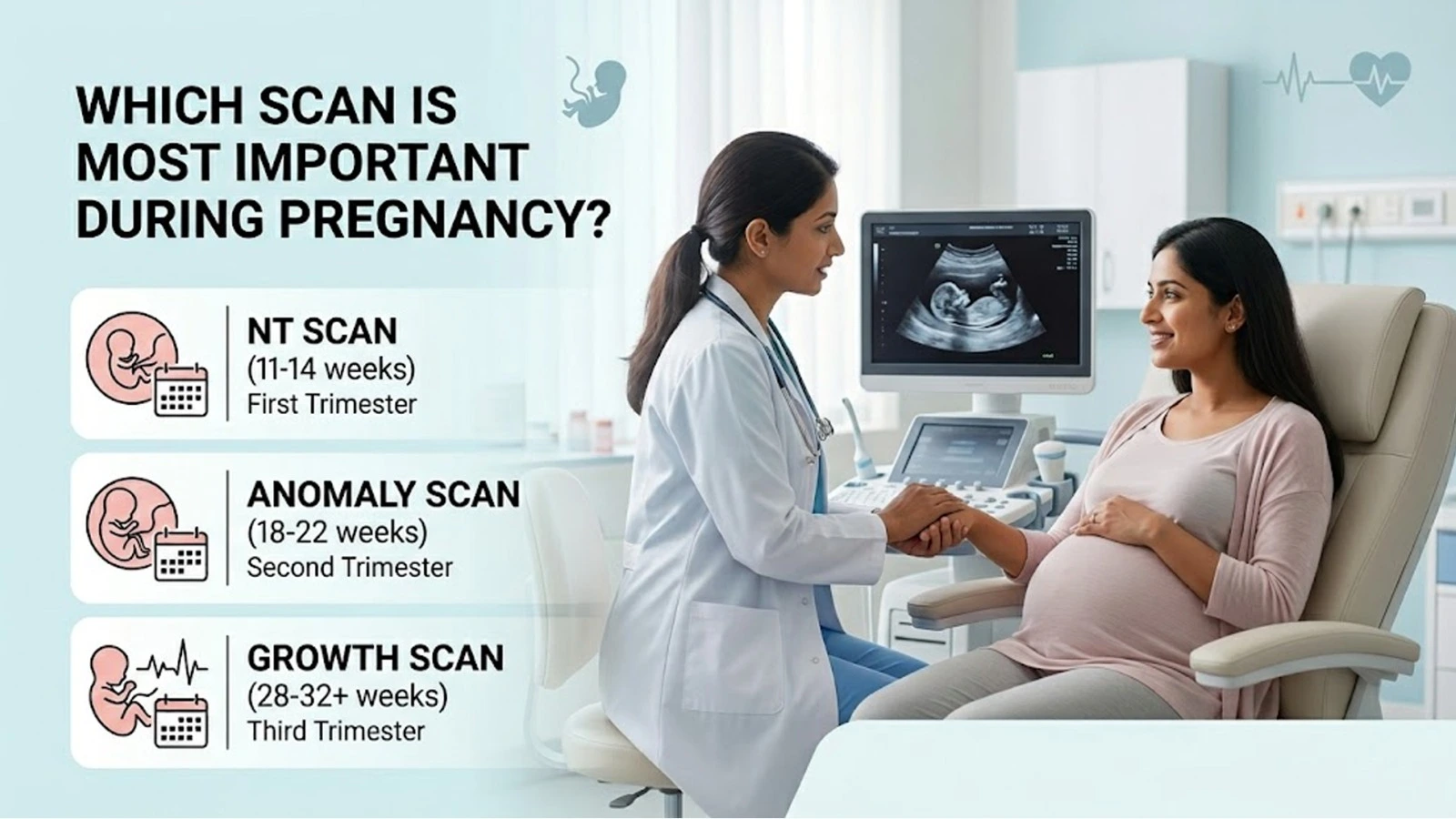
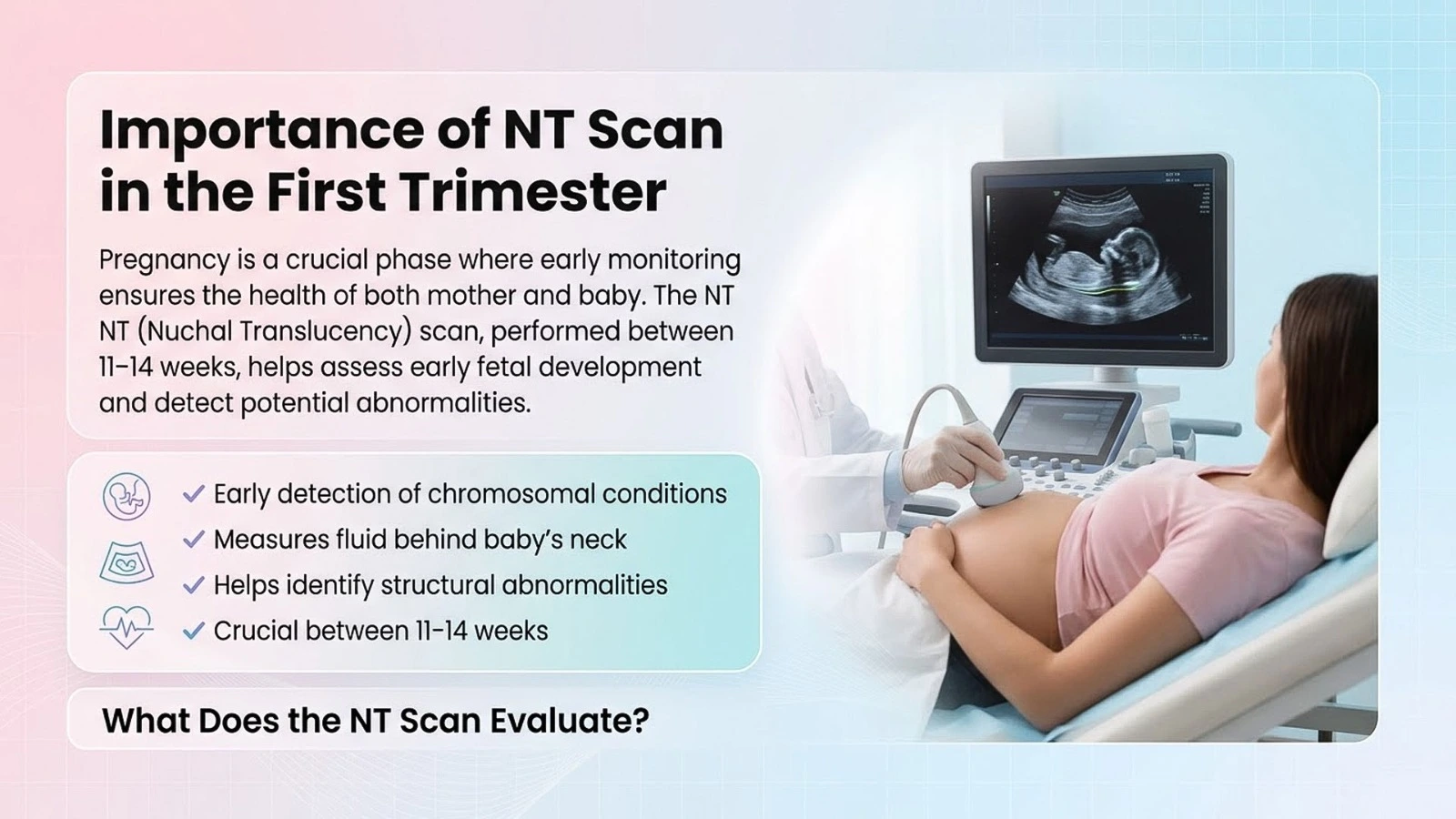
Between 11 and 14 weeks, the nuchal translucency (NT) scan is recommended. This scan measures the fluid behind the baby’s neck and helps assess the risk of chromosomal conditions such as Down syndrome. It is often combined with blood tests for better accuracy.
Getting this scan done at the correct time is very important because the measurement is most reliable only within this specific window. An experienced Fetal Medicine Expert in Hyderabad can provide detailed evaluation and explain whether further tests are necessary.
Early Anomaly Scan (16–18 Weeks)
An early anomaly scan may be suggested in certain pregnancies, especially if there are medical risk factors. This scan focuses on identifying major structural development and ensuring the baby’s organs are forming properly.
At an Advanced Fetal Medicine Centre Hyderabad, specialists use high-resolution imaging to carefully evaluate early fetal development and provide reassurance or early intervention when needed.
Detailed Anomaly Scan (18–22 Weeks)
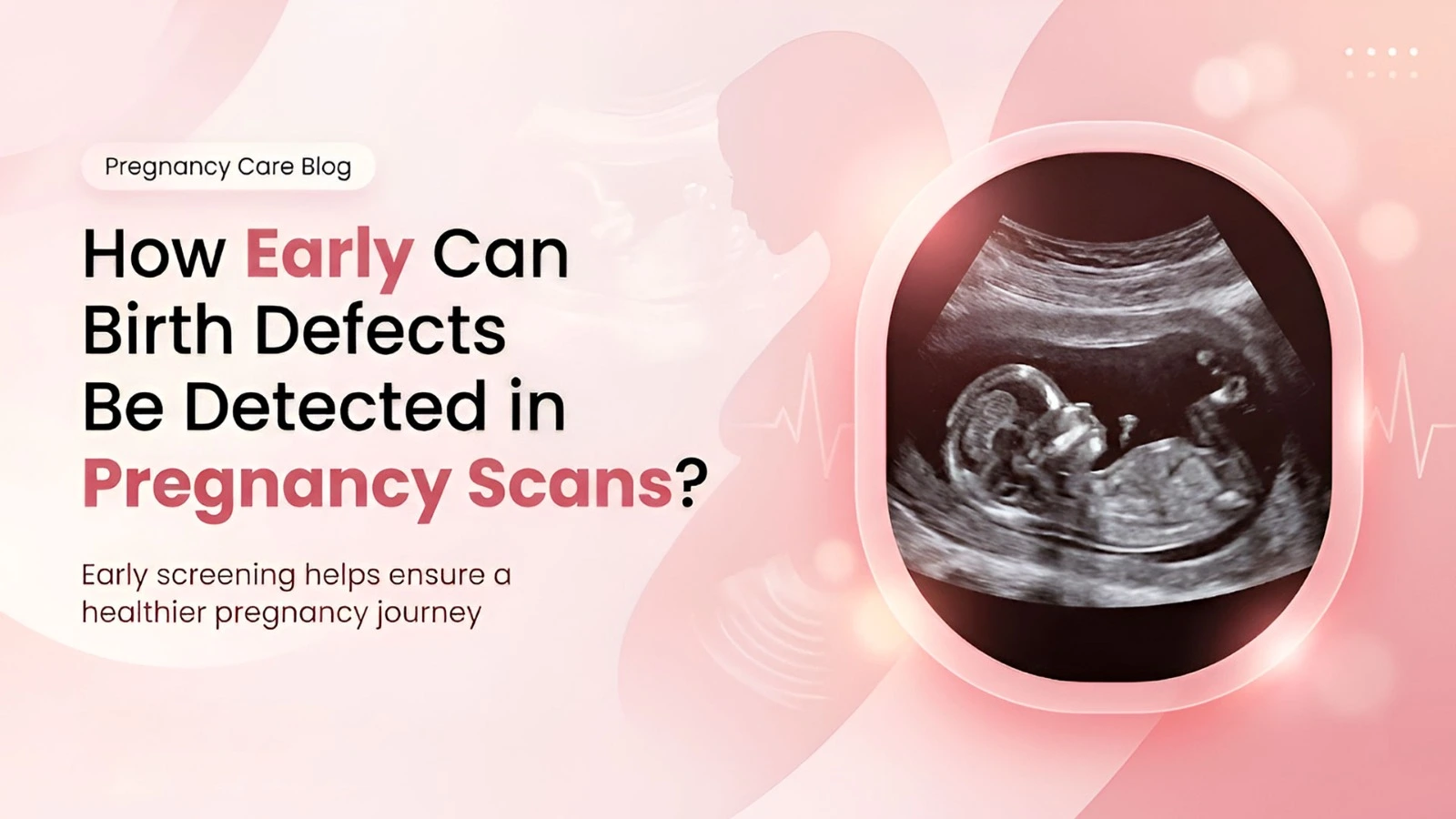
This is one of the most important scans during pregnancy. Usually performed between 18 and 22 weeks, the anomaly scan examines the baby’s brain, heart, spine, kidneys, limbs, and other organs in detail. It helps detect structural abnormalities and ensures the baby is growing as expected.
During this stage, many families seek guidance from Fetal Medicine Doctors in Hyderabad who specialize in interpreting detailed scan findings and advising on next steps if any concerns are identified.
Growth Scan (28–32 Weeks)
As pregnancy progresses into the third trimester, a growth scan is typically done between 28 and 32 weeks. This scan checks the baby’s weight, movement, amniotic fluid levels, and blood flow through the placenta. It helps doctors understand whether the baby is growing normally and receiving adequate nutrition.
If any complications are detected, timely care from a Fetal therapy Center Hyderabad can make a significant difference in managing the condition and ensuring safe outcomes.
Final Growth & Wellbeing Scan (34–36 Weeks)
In the later weeks of pregnancy, a final scan may be advised to assess the baby’s position, growth, and readiness for delivery. It also helps doctors plan the safest mode of delivery if there are any medical concerns.
At this stage, many expectant parents prefer regular monitoring under the guidance of the Best Fetal Medicine Doctor in Hyderabad to ensure both mother and baby remain healthy until birth.
Why Timing Matters
Each fetal scan is carefully timed to match the baby’s developmental stages. A scan done too early or too late may not provide accurate information. Timely scans help in:
- Confirming a healthy pregnancy
- Detecting structural or genetic concerns
- Monitoring growth and development
- Planning appropriate care if needed
- Ensuring safe delivery decisions
When performed at the right time, these scans give doctors a clearer picture of the baby’s health and allow early action if required.
How to Prepare for Fetal Scans
Most scans are simple, safe, and non-invasive. To get the best results:
- Follow your doctor’s recommended schedule
- Drink water if advised for better imaging
- Carry previous reports to appointments
- Discuss any concerns openly with your doctor
Regular follow-ups help build a complete understanding of your baby’s development throughout pregnancy.
Conclusion
Fetal scans play a vital role in monitoring pregnancy week by week. From confirming the baby’s heartbeat in the early weeks to checking growth and wellbeing in the final months, each scan provides valuable insights. Knowing the right time for each scan helps ensure accurate diagnosis, timely care, and peace of mind for expectant parents. By staying consistent with scheduled checkups and consulting experienced specialists, you can make your pregnancy journey safer, more informed, and more reassuring.
FAQs
1. How many fetal scans are usually needed during pregnancy?
Most pregnancies include 4–6 important scans, such as the early pregnancy scan, NT scan, anomaly scan, and growth scans. The exact number may vary depending on the mother’s health, medical history, and doctor’s advice.
2. Which is the most important fetal scan during pregnancy?
The detailed anomaly scan done between 18 and 22 weeks is considered one of the most important because it checks the baby’s organs, brain, heart, spine, and overall development in detail.
3. Is it safe to have multiple ultrasound scans during pregnancy?
Yes, ultrasound scans are safe and non-invasive. They use sound waves, not radiation, and are commonly recommended by doctors to monitor the baby’s health and growth at different stages.
4. What happens if a scan shows a concern?
If a scan shows any abnormality or growth concern, your doctor may suggest follow-up scans, additional tests, or specialist consultation. Early detection helps in planning proper care and management.
5. Can I skip a scheduled fetal scan if I feel fine?
It is not advisable to skip recommended scans. Some conditions may not show symptoms but can still be detected through timely imaging. Regular scans help ensure both mother and baby are progressing well.
About the Author
Dr. Navya KC is a fetal medicine specialist with expertise in prenatal screening, detailed fetal imaging, high-risk pregnancy assessment, and fetal therapy. She is committed to providing accurate diagnosis through timely scans, evidence-based care, and compassionate guidance for expectant parents throughout their pregnancy journey.